Comparing CFD Instruments Across Asset Classes: A MENA Trader’s Guide

Comparing CFD Instruments Across Asset Classes: A MENA Trader’s Guide

In the fast-paced world of trading, contracts for difference (CFDs) have emerged as a popular tool for investors seeking flexibility and exposure to a wide range of markets without the need to own the underlying assets. For traders in the MENA region, understanding how CFDs operate across different asset classes is essential to building a robust trading strategy.

While the allure of CFDs often lies in their leverage and accessibility, the nuances of each asset class can significantly impact both risk and reward. This guide provides an in-depth look at the variations in CFD instruments across asset classes, helping MENA traders make informed decisions in today’s dynamic financial landscape.

Understanding CFDs and Their Appeal

Before exploring the distinctions across asset classes, it is crucial to establish a clear understanding of what these instruments entail. CFDs are derivative products that allow traders to speculate on the price movements of an underlying …

Comparing CFD Instruments Across Asset Classes: A MENA Trader’s Guide Read More

Strategic Duration Management: Hedging Interest Rate Risk with Treasury Futures in 2026

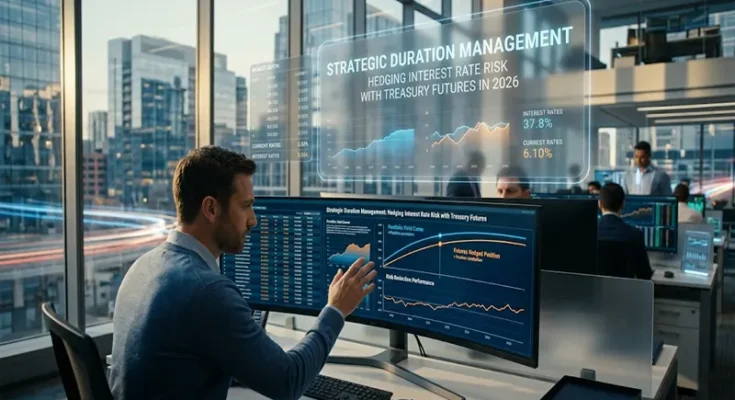
Strategic Duration Management: Hedging Interest Rate Risk with Treasury Futures in 2026

The fixed-income landscape of May 2026 is defined by a historic transition in monetary leadership and a “shallow easing” cycle that has kept volatility at institutional highs. With Kevin Warsh succeeding Jerome Powell as Federal Reserve Chair, the market is grappling with a new regime of “transparent data-dependence,” where the traditional “Fed Put” has been replaced by a focus on supply-side resilience.

For portfolio managers and corporate treasurers, this environment demands more than passive bond holding. To protect capital against the “steepening bias” of the 2026 yield curve, the use of U.S. Treasury futures is no longer optional—it is a mechanical necessity for neutralizing duration and isolating credit spreads.

1. The 2026 Macro Catalyst: The “Warsh” Regime and Sticky Yields

As of Q2 2026, the Federal Reserve has initiated a cautious easing cycle, yet long-term yields remain stubborn. J.P. Morgan (2025) and Morgan Stanley (2026) have noted that “stealth quantitative …

Strategic Duration Management: Hedging Interest Rate Risk with Treasury Futures in 2026 Read More
Navigating the Golden State: Affordable Used Car Finance Companies in California (2026 Edition)

Navigating the Golden State: Affordable Used Car Finance Companies in California (2026 Edition)

In May 2026, California’s used car market remains one of the most dynamic and competitive in the nation. While the “post-pandemic” price surges have finally stabilized, high demand in the Inland Empire and Central Valley, combined with shifting interest rate cycles, makes finding the right lender as critical as finding the right car.

Furthermore, 2026 marks a historic turning point for California consumers. With the full implementation of the California Combating Auto Retail Scams (CARS) Act, buyers from Sacramento to San Diego now have more transparency and protection than ever before. This guide highlights the most affordable lenders in the state and explains how to leverage new laws to save thousands.

1. The 2026 California Advantage: Understanding the CARS Act

Before looking at lenders, it is vital to understand your new rights. As of October 2026, California law has significantly reined in “junk fees” and deceptive practices.

  • The “Total
Navigating the Golden State: Affordable Used Car Finance Companies in California (2026 Edition) Read More
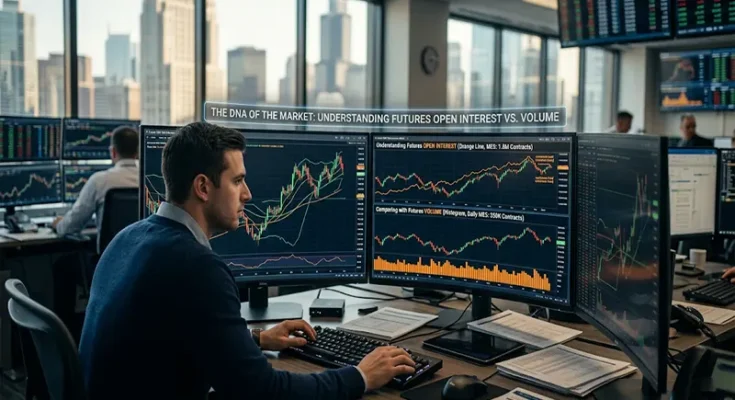
The DNA of the Market: Understanding Futures Open Interest vs. Volume

The DNA of the Market: Understanding Futures Open Interest vs. Volume

In the high-speed, AI-driven markets of 2026, price action alone is often a deceptive indicator. To distinguish between a sustainable institutional trend and a fleeting retail “pump,” professional futures traders look beneath the surface at two critical metrics: Volume and Open Interest (OI).

While volume tells you how much “noise” or activity is in the market, open interest tells you how much “conviction” or new capital is actually staying there. Mastering the interaction between these two is the closest a trader can get to seeing the “Smart Money” footprints in real-time.

1. Defining the Duo: Activity vs. Conviction

To understand trend confirmation, we must first separate these two often-confused terms.

  • Volume: This is the total number of contracts traded during a specific period (usually a single trading session). If Trader A buys 5 contracts and Trader B sells 5 contracts to them, the volume is 5. Volume measures the
The DNA of the Market: Understanding Futures Open Interest vs. Volume Read More
Is Business Setup in Dubai 2026 Worth it?

Is Business Setup in Dubai 2026 Worth it?

The question of whether business setup in Dubai in 2026 remains a valuable endeavor is a pertinent one for entrepreneurs and investors globally. As a dynamic hub known for its rapid development, strategic location, and pro-business policies, Dubai continually attracts international attention. Evaluating its future potential requires an examination of evolving economic landscapes, regulatory frameworks, infrastructure advancements, and market opportunities. This article explores the various facets that contribute to Dubai’s appeal as a business destination heading into 2026, offering insights into its continued relevance and the factors that make it an attractive location for new ventures.

Key Takeaways

  • Dubai’s strategic location, robust infrastructure, and diverse economy make it a strong contender for business growth in 2026.
  • The UAE’s progressive visa reforms and 0% corporate tax for most businesses enhance its appeal for entrepreneurs.
  • Free Zones, such as Meydan Free Zone, offer 100% foreign ownership, full repatriation of profits, and
Is Business Setup in Dubai 2026 Worth it? Read More